Counting Down to the 2028 50th Anniversary of my first published book (September 23, 1978)
Happy 2026!
It is our 30th anniversary here at Space Dock 13!
On the web since 1996!
You have encountered an extremely old website that continues to exist in old web ways, the same way it has done for now three decades.
In spite of being now 30 years old this year, started in 1996, it is still heavily active and old pages updated daily, new pages added daily, still now in 2026. All hand written, all hand coded (no AI), all by me, same as it ever was.
We Still Exist: The Old Web Did Not Go Away, You Just Forgot How To Find Us
|
This site was NOT designed for mobile devices (as they had not been invented yet when I created it) thus this site looks best on a computer, at 1280x768 or above. |
This is a very old website created in 1996, so, yes, javascript is needed for the site to work as it should. If things don't function, you may need to update javascript drivers on your device |
This site tries to be mobile friendly but it's been online since 1996, so old pages may not load right on mobile devices, and as this site has had pages added near daily for 30 years there are now over 20k pages here. |
Having started out in life as a GeoCities site, this site contains glitter, bright colours, blinkies, moving gifs, and other things the old web was known for. |
How much do you write each day?
A look at my daily word counts as of July 2023
How much do you write each day? A look at my daily word counts as of July 2023
How much do you write each day?
A look at my daily word counts as of July 2023
I write/edit/format/publish a new book of around 20k words every 7 to 10 days, something I have done since 2010 and now have over four hundred books (not novels) published on Amazon as a result. I do not write every day, nor do I set word count goals, so it is difficult to answer what my exact word count per day is.

However, as I usually write 3 days a week, in sets of 3 sessions each 4 hours long with 2 hour breaks between each session, and the most common word count my books are is 21k (twenty-one thousand words) that ends up with me writing on average around 7k (seven thousand) words per day.
I will point out that this is my full time job and I treat it like a "regular 9-5 job" thus the structured writing sessions and long hours. So I'm not doing this as a hobby and I don't have things like work/job to write around because this IS my job.
Also I'm writing Cozy/Fluffy/Sweet Romance in a Fantasy setting, so it's pretty formulaic, as plots go, and I completed the world building and character creation decades ago, so I am basically taking the same couple and slapping them into the same world, with just a new random encounter (literally dice rolled encounters from Dungeons and Dragons books, so I'm not even pre-planning my plots either).
So my entire process is very "assembly line", which allows for faster output, because I'm not world building, I'm not creating new characters, I'm not even wasting time thinking up new plots. I just open a random DnD book, roll dice against whatever chart is on that page, and that's the encounter my couple has to deal with this story, and I just write to see what happens.
Years ago when I first started this, I had a day job, I was still world building, still fleshing out characters, and still outlining plots ahead of time and back then it took 3 or 2 months to write 20k words. Over time I developed a routine that worked for me and doing that helped me speed up the process to where I am now, where I can publish a new 20k word story every 10 days. But it took a lot of years to work up to it, so I would not recommend anyone try to jump in and start out doing 20k a week, because you'll just burn out. Start slow and spend a few years building up to it. That's the best way, I found.
In the fast-paced world of self-publishing, it's crucial to strike a balance between productivity and self-care. While it's inspiring to see your writing speed increase over time, it's important to approach it with a long-term perspective. Rushing into high word counts without considering the toll it may take on your physical and mental well-being can lead to burnout.
When I first started my writing journey, I had the luxury of a day job and ample time to devote to world-building, character development, and outlining. Writing 20k words in two to three months was a realistic pace for me at that time. As I honed my skills and established a routine, I gradually increased my productivity to the point where I can now publish a 20k word story every 10 days. But that didn't happen overnight and you shouldn't try to force yourself to do that right from the beginning. Your health will suffer from it. Your health is important. Never forget that.
However, it's crucial to note that this level of output didn't happen overnight. It took years of gradual progression, trial and error, and learning from experience. To avoid burnout, I highly recommend starting slow and gradually building up your writing speed. Give yourself time to develop your skills, find your rhythm, and refine your process. Remember, self-publishing is a marathon, not a sprint.
Taking care of your health and well-being is paramount. Set realistic goals and establish boundaries to prevent overexertion. Incorporate regular breaks, exercise, and moments of relaxation into your writing routine. Prioritize self-care activities that rejuvenate your mind and body, such as meditation, walks in nature, or pursuing other creative outlets.
Additionally, seeking support from fellow writers, joining writing communities, and engaging in ongoing education can provide valuable insights and help you navigate the self-publishing journey more effectively. Remember, your long-term success as a self-published author depends not only on your writing speed but also on your ability to sustain your passion and creativity.
There is an importance to maintain a balance between speed and craftmanship though. If you are aiming at high word counts, but pounding out drivel, you won't make a career of this.
Indeed, maintaining a balance between speed and craftsmanship is crucial in the world of self-publishing. While it's impressive to achieve high word counts, it's equally important to ensure the quality of your writing. Readers expect engaging and well-crafted stories, so it's essential to devote time to honing your skills and refining your work.
Striking a balance between speed and quality requires discipline and continuous improvement. Focus on developing your storytelling techniques, mastering the art of character development, and refining your prose. Invest time in editing and revising your work to polish it to its finest form.
Remember, success as a self-published author relies not only on producing content at a rapid pace but also on delivering exceptional stories that captivate readers. Building a loyal fan base and garnering positive reviews depends on the quality of your writing.
Additionally, it's crucial to stay connected with your audience and seek feedback from readers. Embrace constructive criticism and use it as an opportunity to grow as a writer. Engage with your readers through author platforms, social media, and newsletters to build a community around your work.
Ultimately, finding the right balance between speed and craftsmanship is a journey of self-discovery and continuous improvement. By focusing on both aspects, you can establish yourself as a prolific and respected self-published author, delivering compelling stories that resonate with readers.
Editing is also extremely important. If you are just churning out unedited crap, you won't gain readers.
Editing plays a vital role in the self-publishing process. While writing fast word counts can be impressive, it's crucial not to neglect the editing phase. Readers expect a polished and professional reading experience, and publishing unedited work can tarnish your reputation as an author.
Investing time and effort into editing ensures that your stories are free from errors, inconsistencies, and awkward phrasing. It allows you to fine-tune your prose, enhance clarity, and refine the overall flow of your narrative. Professional editing services or self-editing techniques can help you achieve the high standards readers expect.
Remember, editing is not just about correcting grammar and punctuation; it's about shaping your story into its best possible version. It involves evaluating plot structure, character development, pacing, and thematic consistency. An edited manuscript demonstrates your commitment to delivering quality work to your readers.
Additionally, seeking external feedback can provide valuable insights into areas that may need improvement. Beta readers, writing groups, or professional editors can offer fresh perspectives and help you identify blind spots in your writing. Embrace constructive criticism and use it as an opportunity for growth.
Remember, readers deserve quality over quantity, so if you have to choose between fast speed word counts or slow and steady quality, aim at slow and steady. Your readers deserve your best quality.
Indeed, prioritizing quality over quantity is essential in the self-publishing world. While fast word counts can be impressive, it should never come at the expense of delivering high-quality content to your readers. Readers invest their time and money in your work, and they deserve nothing less than your best effort.
By focusing on crafting well-written stories with strong characterization, compelling plots, and engaging prose, you create a memorable reading experience that resonates with your audience. Taking the time to refine your writing, revise your drafts, and ensure coherence and consistency will pay off in the long run.
Quality storytelling builds reader loyalty, generates positive reviews, and encourages word-of-mouth recommendations. These factors are critical for long-term success as a self-published author. By consistently delivering quality work, you establish a reputation for excellence and attract a dedicated following.
While it's important to find a balance between speed and quality, remember that quality should always take precedence. Strive for a steady and sustainable writing pace that allows you to maintain the high standards your readers expect. This may mean adjusting your schedule or setting realistic deadlines to ensure you can deliver polished and well-crafted stories consistently.
How much do you write each day?
A look at my daily word counts as of July 2023
 |
|
|
Your second block of text...
This page was written by Wendy Christine Allen of 146 Portland Ave, Old Orchard Beach, Maine.
All Rights Reserved.
While there are around 20k pages on this website, most of them are blocked from search engines, with only around 800 of them available for appearing in Google/Bing/etc search results. The remainder can only be accessed via the various links found throughout this site. This was done deliberately on my part, and I did it because the bulk of the pages on this website are chapters from 138 novels and 423 novellas, so only the first page of each novel and novella indexed by search engines, and the remainder are linked in order, one page at a time, via clicking "next page" at the end of each. So if you are looking for a specific page from a specific novel, Google can't help you.
|
Thank you for stopping by and have a nice day! ꧁✨🌸🔮🦄🔮🌸✨꧂ And if it’s your birthday today: ִֶָ𓂃 ࣪˖ ִֶָ🐇་༘࿐꧁ᴴᵃᵖᵖʸ☆ᵇⁱʳᵗʰᵈᵃʸ꧂🤍🎀🧸🌷🍭 |
 |
|
|
                       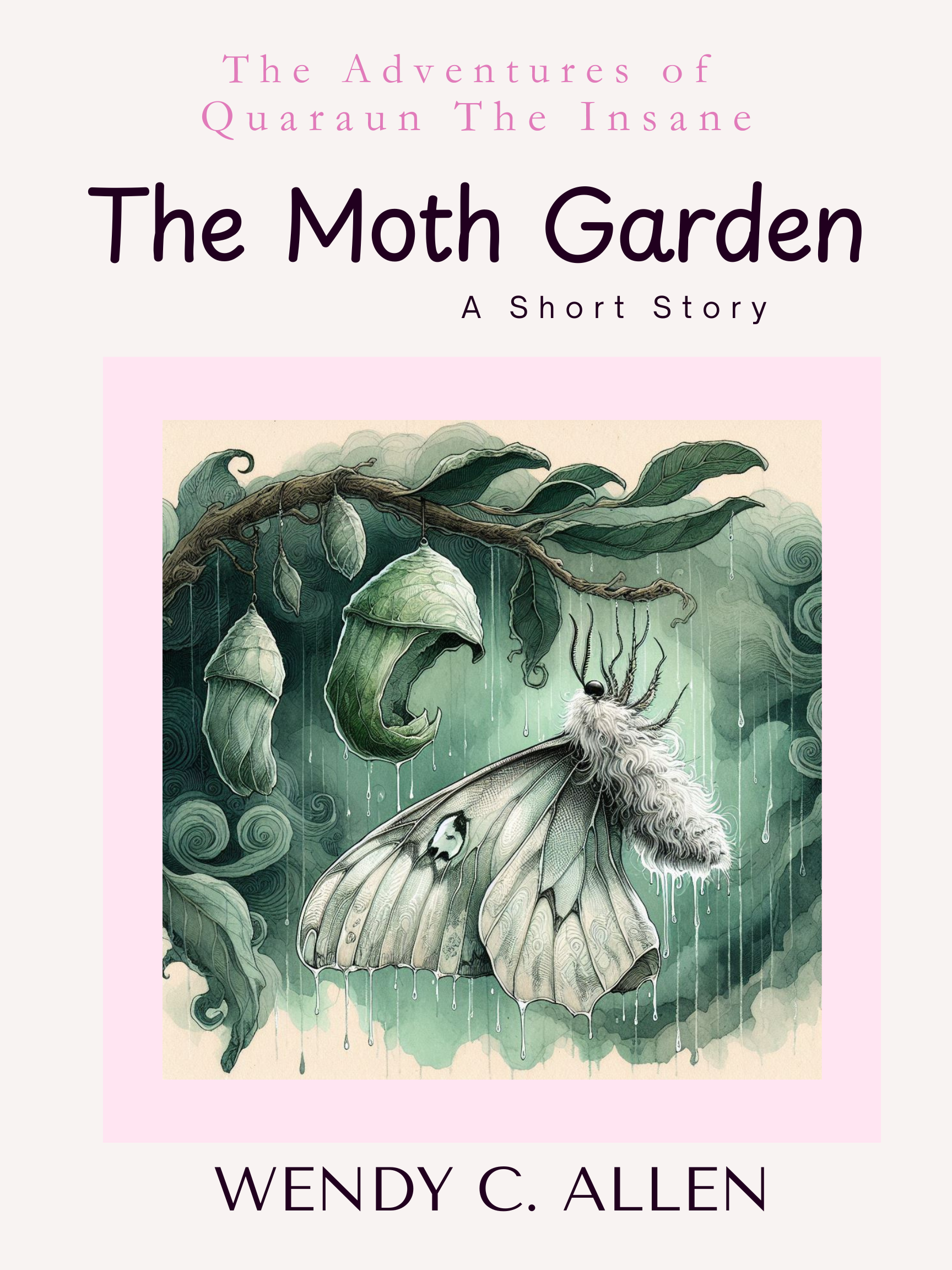  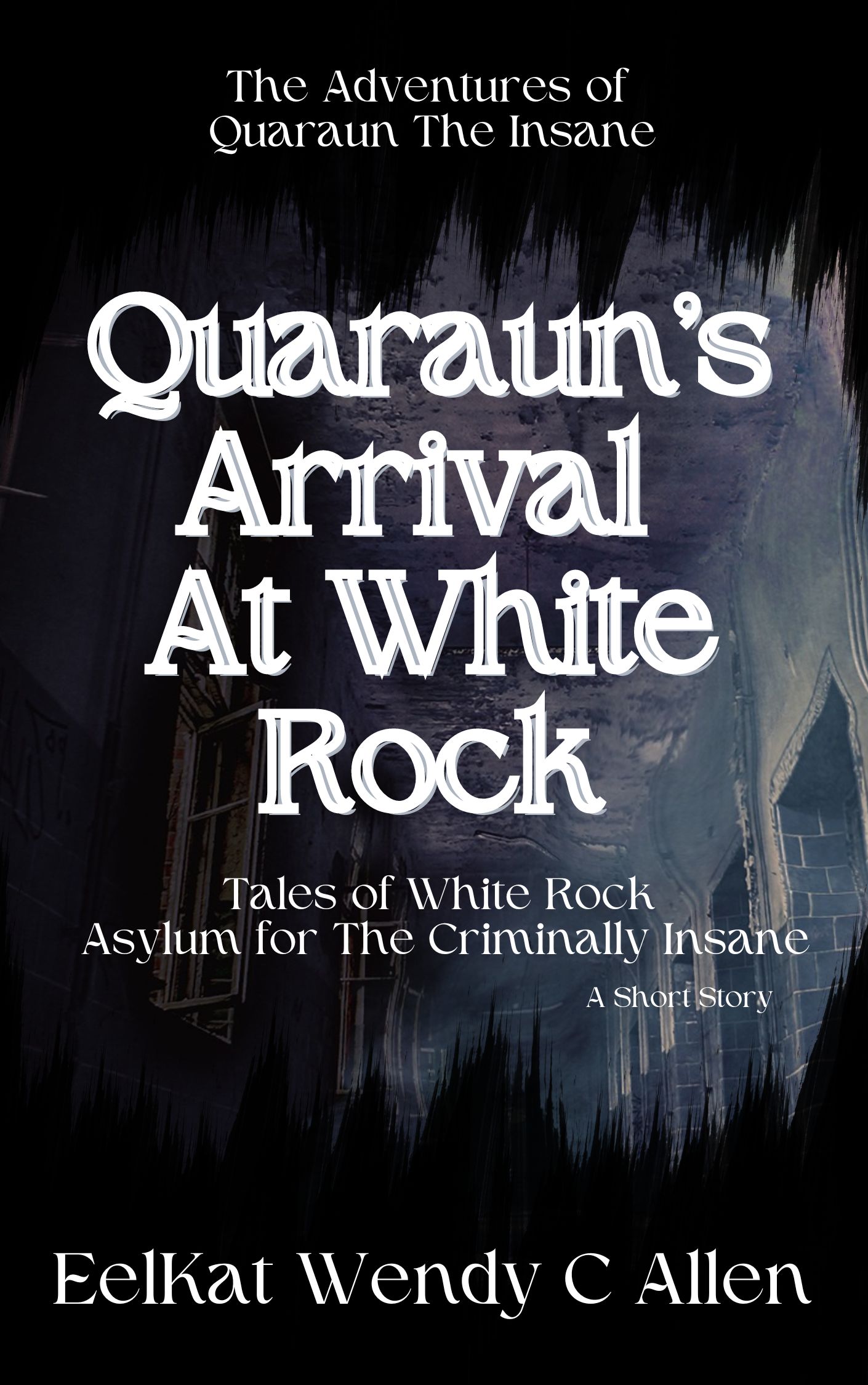 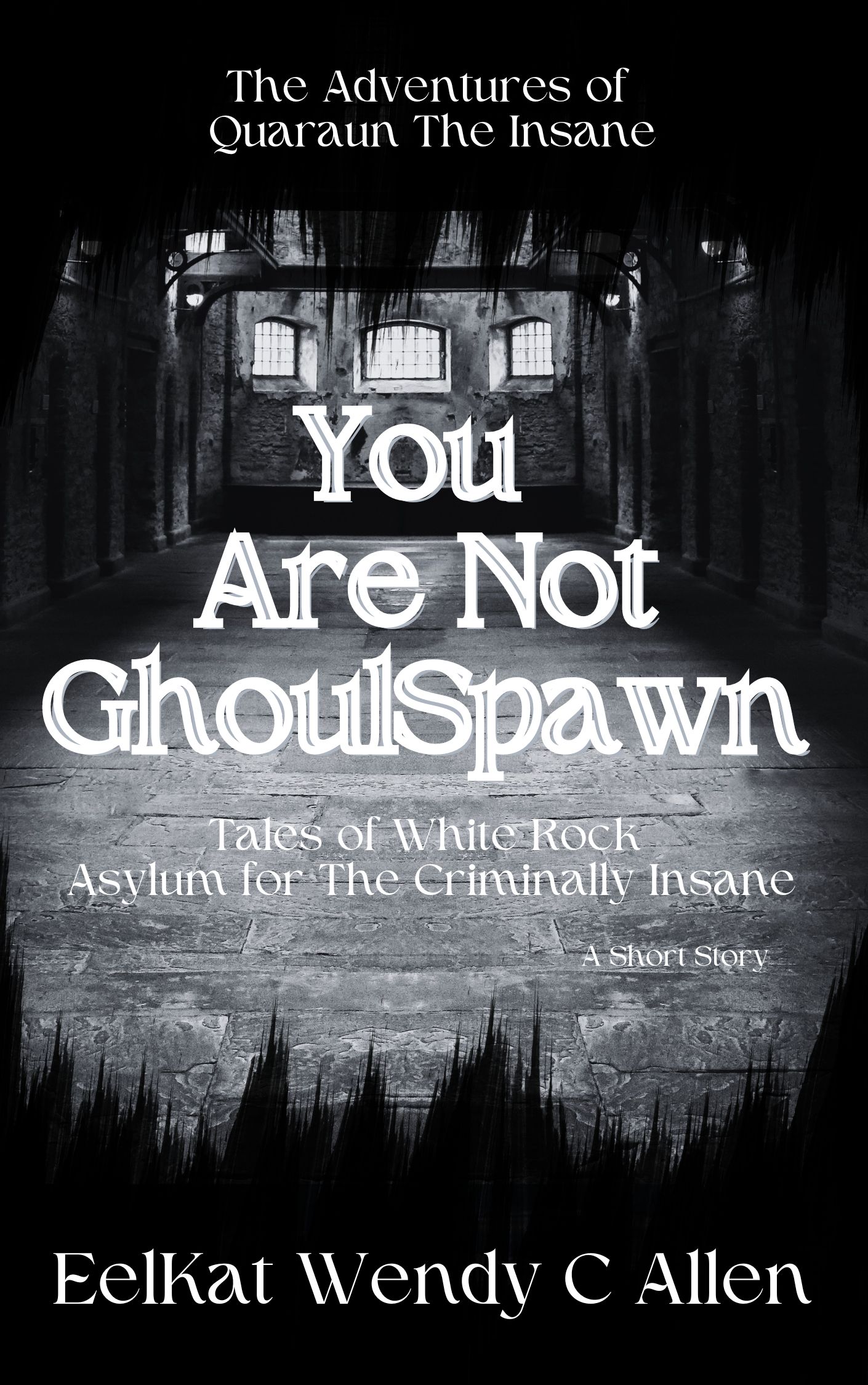 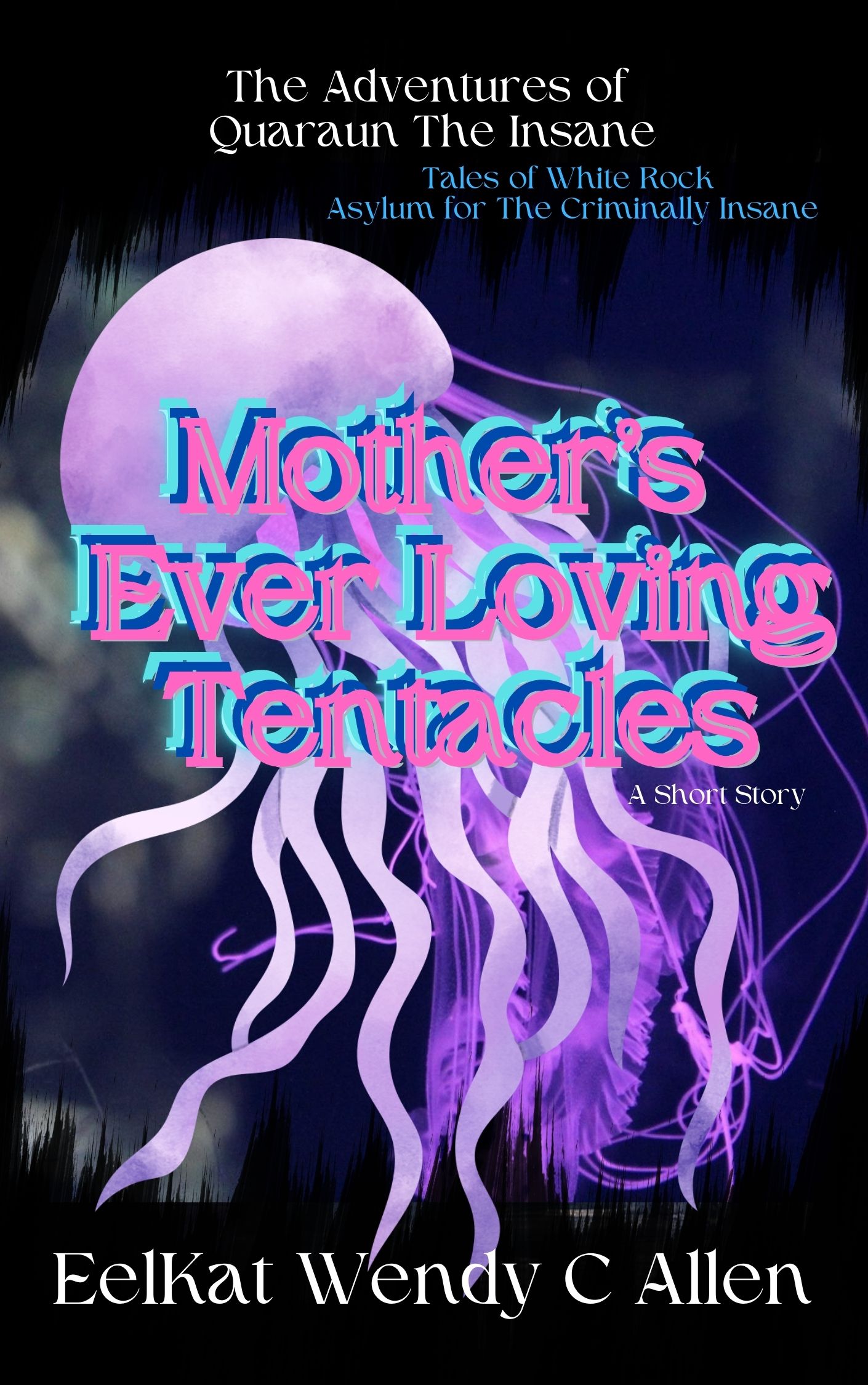   |
Get an email whenever Wendy Christine Allen 🌸💖🦄 aka EelKat 🧿💛🔮👻 publishes on Medium.
I also write on these locations: | Amazon | Ao3 | Blogger | GumRoad | Medium | Notd | OnlyFans | Tumblr | Vocal |
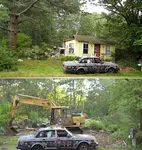
Do you know who drove this backhoe over my house at 146 Portland Avenue, Old Orchard Beach, Maine on August 8, 2013? If you have any information, please give it to FBI Agent Andy Drewer at 207–774–9322 of the Portland, Maine FBI office.
My house at 146 Portland Ave, Old Orchard Beach, Maine, July 4, 2013, photo taken because we had just finished building a baby room on the back. vs My house August 8, 2013, when the same group of people (yes group, the golf club woman was not alone when she attacked November 14, 2013, nor was she alone with her second attack July 2016.) who murdered my son on November 14, 2013 at Southern Maine Community College and crippled me July 26, 2016 at scarborough WalMart,... they arrived the first time with a backhoe on August 8, 2013, that they used to drive over my house, during a time of day that I normally was home asleep... I had to work a different shift at the Waffle Cone Pizza Food Truck at George's Parking Lot by Bill's Pizza at the OBB Peir, that day, otherwise, I too would be at the bottom of a landfill, along with my house and everything I owned that was also in the house. I was 5 months pregnant at the time and have been homeless for just under 14 years, homeless ever since....
... which means it is now only a few weeks from the 14th anniversary of my son's murder. I was 8 month pregnant November 14, 2013, and a student ay SMCC, and coming out of the Buglight Lighthouse art studio after art class, when a still unidentifiedwoman wielding a golf club attacked me, severed my spine, while I was 8 months pregnant, triggered early labour, then killed my son minutes after he was born.
While accusing me of being transgender, screaming "transvestite freak" and "look at that thing, that's Ken's son in a dress"... while I was 8 months pregnant.
 My house at 146 Portland Ave, Old Orchard Beach, Maine, July 4, 2013, photo taken because we had just finished building a baby room on the back. vs My house August 8, 2013, when the same group of people (yes group, the golf club woman was not alone when she attacked November 14, 2013, nor was she alone with her second attack July 2016.) who murdered my son and crippled me, arrived the first time with a backhoe that they used to drive over my house, during a time of day that I normally was home asleep... I had to work a different shift at the Waffle Cone Pizza Food Truck at George's Parking Lot by Bill's Pizza at the OBB Peir, that day, otherwise, I too would be at the bottom of a landfill, along with my house and everything I owned that was also in the house. I was 5 months pregnant at the time and have been homeless for just under 14 years, homeless ever since. My house at 146 Portland Ave, Old Orchard Beach, Maine, July 4, 2013, photo taken because we had just finished building a baby room on the back. vs My house August 8, 2013, when the same group of people (yes group, the golf club woman was not alone when she attacked November 14, 2013, nor was she alone with her second attack July 2016.) who murdered my son and crippled me, arrived the first time with a backhoe that they used to drive over my house, during a time of day that I normally was home asleep... I had to work a different shift at the Waffle Cone Pizza Food Truck at George's Parking Lot by Bill's Pizza at the OBB Peir, that day, otherwise, I too would be at the bottom of a landfill, along with my house and everything I owned that was also in the house. I was 5 months pregnant at the time and have been homeless for just under 14 years, homeless ever since. |
The backhoe driver returned November 14, 2013, armed with a golf club, used it to break my spine and smash my baby's brains out on the ground
On November 14, 2013, my son was murdered. I was 8 months pregnant, leaving my college classroom, and just getting into my car, when 3 strangers, a man and two women, armed with golf clubs leapt out from behind my car screaming "kill or be killed, kill the transvestite freaks, kill them all before they kill us! look at that thing! That is Ken's son, look at how it's dressed! kill the transvestite freaks! kill or be killed"... while the bald man and the red haired woman chanted this over and over, the blonde woman, lunged with the golf club.
She severed my spine, I am now a quadriplegic, and been paralyzed arms and legs, and in a wheelchair for 13 years now. She broke my hips, my knees, my legs, ruptured most of my discs, and shattered three of my vertebrae so bad that the shards of bone acted like glass and embedded themselves into my spinal column nerve bundle.
The attack also triggered labour.
My son was born in that parking lot, and he lived only a couple of minutes, before the deranged blonde woman, beat his head in and smashed his brains out, with the same golfclub she had just used to sever my spine and leave me crippled for the rest of my life.
Realizing that I was not transgender, and they'd just murdered a baby, the man grabbed the 2 women and forcibly dragged them away to a 4 door white pickup truck, and they left me there to die.
The FBI told me later, that a few weeks before this attack, and transwoman, had murdered a cis woman, in a parking lot, abou 20 miles away from where I was attacked. The FBI, believes that my attackers, had somehow found out I wrote transgender fiction, connecting my real name to my penname, (my father's name is in fact "Ken", and I do have a brother) and believed that I wrote transgender fiction, because I was myself transgender, even though I'm not transgender. The FBI, believes the attackers, thought I was my brother, pretending to be a woman.
The FBI investigation, into my son's murder, has dragged on for 13 years, and still now in 2026, continues on, with the FBI, still not having yet identified my attackers, and only guessing at what their motive was.
Thus we come to 2014, and the full swing change of the series I write. WHY my series, went from just a transman main character living life, to the full blown Mpreg genre series that it now is today.
Before the attack, I had a chance of having a baby. I don't know. And because I'm in America, I'm too old to adopt. You have to be under 45 years old to adopt a baby. That is the law in America. I was informed this, when we tried to adopt, now that my injuries leave me unable to get pregnant a 9th time.
Thus began my obsessively writing, my transman main character, pregnant. Always pregnant now. Every time. Every story. Stories that now fully focus on pregnancy, labour, miscarriages, babies dying, babies living, raising babies... the whole series, since 2014 has devolved into an outright baby obsession.
Meanwhile, reborn baby dolls were suggested to me by my therapist, and have also become a deeply obsessive part of my life. Because 13 years ago my son was murdered minutes after he was born, because a transphobic bigot mistook me for being transgender, I'm STILL in a wheelchair, struggling to relearn to use my arms and legs, now 13 years later, and I'm still DAILY dealing with police officers and FBI agents who while they are trying to find my son's killer, they are also daily reminding me... oh, yeah, my son was murdered, literally ripped out of my belly, by a transphobe. Who still has not been located and walks free to kill again.
|
The golfclub woman as she looked during the golf club attack at Southern Maine community college November 14, 2013. She is about 20 to 30 years older then me and would be around 75 to 85 years old now in 2026.  If you have any information about the identity of this child murderer, please call FBI Agent Andy Drewer at 207–774–9322 If you have any information about the identity of this child murderer, please call FBI Agent Andy Drewer at 207–774–9322 |
The golfclub woman as she looked during the shopping cart attack at Scarborough WalMart July 26, 2016. She is about 20 to 30 years older then me and would be around 75 to 85 years old now in 2026.  If you have any information about the identity of this child murderer, please call FBI Agent Andy Drewer at 207–774–9322 If you have any information about the identity of this child murderer, please call FBI Agent Andy Drewer at 207–774–9322 |
The 2nd woman as she looked at both attacks, her hair goes all the way down to her knees. She is about 20 to 30 years older then me and would be around 75 to 85 years old now in 2026.  If you have any information about the identity of this child murderer's accomplice, please call FBI Agent Andy Drewer at 207–774–9322 If you have any information about the identity of this child murderer's accomplice, please call FBI Agent Andy Drewer at 207–774–9322 |
Do you know who these two woman who crippled me and murdered my baby, at Southern Maine Community College at 10PM on November 14, 2013, are, and what their connection to the backhoe that drove over my house is? If you have any information, please give it to FBI Agent Andy Drewer at 207–774–9322 of the Portland, Maine FBI office.
I am a legally blind quadriplegic, and low verbal, I have also published 138 novels in the last 48 years. It's not as impossible as people think. The problem being blind and quadriplegic, medically have different meanings then how those two words are used medically.
Fewer than 3% of all blind people see nothing. While 97% people who are classified as fully blind are able to see up to two feet in front of them. Legally blind means I can see more then two feet in front of me but not far enough to see twenty feet in front of me. In my case I can see about eight feet.
Quadriplegic, has varying levels, it means having a damaged nerve bundle in the spinal column causing limited mobility of all 4 limbs, (in my case this was done by a women wielding a golf club, who also beat my 8 month infant's head to pulp on the parking lot tarmak, at the same time she severed my spine with the same golf club; both on November 14, 2013; the FBI investigation into my son's murder and my being crippled has gone on now for 13 years, a few weeks away from 14 years now, and the FBI has still not identified the killer or her motive). Contrary to popular misconception, quadriplegic does NOT mean ZERO movement, it means means limited movement, specifically in means unable to lift arms over head, unable to grip fingers around objects to pick them up, and unable to stand for more then 5 minutes to a time. Because there are so many thousands of nerves in each limb it is actually very rare for there to be 100% no movement, but how much, and to what extent varies by patent depending upon the specific point of injury to the spinal column.
Meaning typing is still possible for over 60% of all quadriplegics.
In my case, it was the lower spine that was severed, cutting off completly my ability to move my right leg, leaving limited feeling in my left leg, and an ability to stand but not walk, with crutches, for the first 9 years. I regained enough nerve growth in my legs by the 9th year to be able to take ten or twelve steps allowing me to get out of bed for the first time since the golf club attack; This in turn lead to me being able to start using a wheelchair, as I was able to sit upright for the first time as well.
Because the shattered vertebrae bone fragments are broken off completly and embedded into the nerve bundle just above my tailbone, doctors were saying I would never walk again, but now at 13 years, I am able to push mu wheelchair like a walker, a distance of almost a thousand steps a day. Though doctors are still doubtful I will ever walk "normally" again, I have proven them wrong, when their said 13 years ago, that I would never walk again at all.
But because of the placement of the damage to my spine, regaining hand use, was always thought possible, it was just a matter of waiting long enough for nerve regrowth, along side daily finger exercises. I was able to continue writing, after becoming quadriplegic, because I still have use of my right thumb, and 2 fore figures of my right hand. And can type 90 words per minute with those 3 fingers.
I however have no wrist strength, elbow strength, or shoulder strength, so I am not able to form a fist, or lift objects, or brush my hair, or my teeth, all thing I have to have my caretaker do. But, those things are not needed for typing. Unfortunately, my pinky and ring fingers are "nerve dead" and drag over the keyboard, and cause horrific spelling errors and typos, which are incredibly frustrating to deal with.
Unfortunately trying to edit errors myself, just makes the errors worse, because those same two fingers drag over the keyboard yet again. Prior to the golf club attack, I rarely had spelling errors; now I got more spelling errors then someone is learning English as second language. Editing is a challenge, that I've had to accept, I simply can not do myself, and I have to hire several editors to help with that.
Low verbal means sounds can still be made, sounds that software programs like Dragon can be trained to recognize and translate, and type into full words. More then half my novels were typed with this method.
I still have a long ways to go before I am anything close to being able to do the things I could do before the golf club woman beat my baby's brains out and shattered my spine. And you know what's more frustrating then how slow mu medical progression has been? The fact that it's been 13 years and the police and FBI are still coming up at dead ends as to who the woman who murdered my baby was, or why she even did it.
My son's 14th birthday is only a few weeks away, but he didn't even get to live long enough to celebrate his 1st birthday, I don't even know why. And I can't wait to regain my ability to walk again, because regaining my ability to walk, means gaining the ability to go outside and start looking for my son's murderer myself instead of sitting at home trapped in a wheelchair waiting for the police and FBI to to find her. So, writing isn't a big priority for me anymore. I only write now, as a way to exercise my hands, in between relearning to walk.
Never let a disability stop you. Plenty of writers, artists, athletes, do not let either blindness, speech impediments, or limited mobility hold then back from perusing their careers.
Do you know who these two woman who crippled me and murdered my baby, at Southern Maine Community College at 10PM on November 14, 2013, are, and what their connection to the backhoe that drove over my house is? If you have any information, please give it to FBI Agent Andy Drewer at 207–774–9322 of the Portland, Maine FBI office.
Important:
Fraudulent sites are impersonating Wendy Christine Allen.
- The ONLY official website for Wendy Christine Allen is www.eelkat.com
Fraudulent social media accounts, particularly on Reddit and FaceBook are impersonating Wendy Christine Allen.
- The ONLY official social media accounts for Wendy Christine Allen are listed in the footer here at www.eelkat.com
Find Me on Social Media:
Any websites and accounts you find online that are NOT on this list are NOT Wendy Christine Allen
There are no ebook editions as they are already available digitally here on my website.
You might like these
Why I Write (Some Thoughts on Living With Autism)
Why I Write (Some Thoughts on Living With Autism) and a look at the history of 144 and 146 Portland Ave, Old Orchard Beach, Maine
Steps to Become a Writer
Written September 13, 2013, this was the last article I wrote and published to my website before my son was murdered the next day on September 14, 2013
A list of titles for writing articles that I may someday write
A list of titles for writing articles that I may or may not, someday write
10 Ways To Hook Your Reader Right From Page 1
10 Ways To Hook Your Reader Right From Page 1
What's the inciting incident to your story?
What's the inciting incident to your story?
Typing Speed Chart; How long does it take to hit 1667 words?
Typing Speed Chart; How long does it take to hit 1667 words? & Is it possible to reach 50,000 words on Day 1 of NaNoWriMo?
Science Fiction and Fantasy short stories, & novellas as a business?
Is selling Science Fiction and Fantasy short stories, novelettes and novellas a viable business?
Write something! Just do it! Right now! You can do it!
Write something! Just do it!! Right now! Writing something! You can do it! You know you want to! I believe in you!
My Elves Are JellyFish
My Elves Are JellyFish, and I asked for thoughts from Google vs ChatGPT
Fish, Eels, Storyland, Autism, Becoming a Published Author, Art Cars
Fish, Eels, Storyland, Autism, Becoming a Published Author, and Art Cars; a long and varied conversation with ChatGPT5.6
Phookas
Everything you could ever want to know about phookas








If you encounter a page which asks for a password, no, you can not request access. There are over 2k pages of this website set to password access, due to the ongoing FBI investigation into my son's murder. If you are a police officer authorized access these pages but do not have the passwords, let me know, I will deliver the passwords to the specific pages you are allowed to access, to you via the Portland FBI office and you can pick them up from the FBI agent in charge of the murder investigation.
Pages where you can find out more information on that:
|
What's New (Newly Published or Recently Updated or Edited)
IMPORTANT NOTE: There are no ebook editions as they are already available digitally here on my website.
If you are one of (as of December 2025, the now more than ten thousand) daily visitors, who arrive here daily in search of SEO advice, I made this page for you:
The Park Bench Method of Writing
Crazy Woman Just Attacked - No Clue Why or Who She Is
Articles For Writers on How To Write & Publish A Rapid Release Series
For Anyone Looking for:My response to MUFON's Amphibious Aliens? My response to Coast to Coast AMs Arrival in my yard?
Wendy Christine Allen, Old Orchard Beach's Autistic Author, Artist, Illustrator, & Art Car Designer Counting Down to the 2028 50th Anniversary of my first published book (September 23, 1978) Yes, I am aware there are a lot of spelling errors on this site. No, I likely will not be fixing most of them. I have been quadriplegia/paralyzed arms and legs since November 14, 2013; As of 2026, I have regained use of two fully functional fingers on my right hand, and only stiff limited movement of all remained eight fingers. This causes most of the typos and spelling errors as my near-dead pinky and ring fingers tend to drag over the other letters on the keyboard. Attempts to correct errors, often causes more errors for the same reason. Much of my writing is also speech to text, but I have "profound low functioning, non-verbal kanner's syndrome aka autism aka the rainman type" (that is what the medical diagnosis called it), I have the medically diagnosed retarded type of autism, that medical doctors mean when they say "real and actual autism", I do not have the cool trend self diagnoses tiktok type of "autism". What this means is, in spite of five decades of trying, I have very limited vocal speaking abilities and a lower then average vocabulary, that leaves my speaking ability around the level of a 4 or 5 year old child; I do not know math or money or clocks and. I also, was raised by a Shetland Scottish Grandmother (Helen Ricker Allen) until her death when I was 8 years old, and she did not speak American, she spoke Shetland/Scottish, Shetlandic, which is a Nordic language, different from Scotts Language, not related to Gaelic which is what many Scottish speak, and while classified as a type of Scottish English is is considered "Olde medieval Norse" dialect of Scottish English and spoken by fewer then two thousand people as of 2026. It is the language of Scottish Travelling Gypsies, which is what we racial are. I was 31 years old first time I ever heard American English, and only started to learn American English at 42 years old. Right now in 2026 at 51 years old, I am able to speak American English on around the level of an 8 year old child, and greatly do not understand over 90% of American words, American slang, and American media references. What this means is, OFTEN words you think are spellt wrong (like color vs colour, or traveling vs travelling, are in fact NOT spelt wrong, because I use Scottish spellings) and often when I hear an American word, I spell it phonetically because I do not know the correct American spelling. Likewise we Scottish do not have words like my or your, and so say me and you, in places where Americans would say my and your. I also use Scottish word meanings, not American word meanings, for example Unicorn means a blood thirsty flesheating shapeshifting sea creature that comes on land and pretends to be a wounded horse to lure in humans to eat, it can only be captured by a virgin. But when I say Unicorn, a word I frequently use, because I write Unicorn folkloric short stories... I find that most Americans connect Unicorns to children's cartoons, gay pride, or swinging sex lives... I struggle to understand who in their right mind thought the most bloodthirsty monster of Scotland folklore was good fodder for children's cartoons or "sex positive" mascots, me thinks Americans need to brush up on the lore of Unicorns using their horns as sword to stabbed people's eyes out, while gallopping through swamps with rows of bloody Human heads hanging from their backs via braids made of Human entrails... really, why did Americans thinks a monster like a Unicorn was fit for children's cartoons or sex positivity? Americans is weird. All this to say... speech to text software, struggles badly with my thick Shetland accent, my slurred Autism speech impediment, and causes additional misspellings and typos because it can not figure out what words I am trying to say. And while I could take the time time to run all of it through a spell checker, that does require better hand mobility then I have, to copy the text from one program to the next and manually click each word, with finger mobility that I simply do not have, but also, most of my time is spent in trying to relearn to walk, and if you are local, you've probably seen this as I'm a stubborn bitch who refused to accept the doctor disnosis that I will never walk again, so, I walk around the block every day pushing my wheelchair, refusing to sit in my wheelchair, and... ...it's taking me 13 years to do it, but, I'm not actually able to stand up and make it all the way around the block now, and my focus on trying to relearn to walk is far more important to me, then catering to your pampered arse by fixing spelling errors, when there are far bigger problems to worry about in life, the spelling errors made by a quadriplegic who is typing this with her only two functioning fingers. Also, in recent years, I've watched the internet devolve into a mindless clusterfuck of ChatGPT written everything. Everyone sounds the same online these days, because no writes their own work anymore. Every website out there has become a carbon copy of each other, because they are all be written by ChatGPT now. I think ChatGPT makes a funny thing to chat with in your spare time, so you can laugh at the hilarity of how inaccurate it's responses are... but I am horrified that people are using AI for serious writing, writing they publish and try to pass off as their own. We live in a society where people people are forgetting how write. Heck I can read and write cursive, calligraphy, italic, short hand, and editor's marks, also edit my books by hand diagraming every sentence, and that... start walking around your neighbourhood and ask anyone under 30 if they sentence diagraming IS, let alone how to do it. So yes, I CAN spell check, and no I don't, for anything but my novels and short story collections, I spell check when it matters... and this is a website, not a printed book... but also, I am just getting so damn fucking fed up with endless AI writing online, so, no, I'm not going to fix errors and typos on my website, and you can bitch about that all you want (yes, I do get your messages, I just don't answer anyone in private) but, honey, maybe instead of bitching over my spelling errors, be thankful is still at least one website on the internet that still being written by a Human now in 2026 when ChatGPT writes over 70% of all posts online. |
Looking for my annual NaNoWriMo Prompts and Dares? I've been publishing these every year since 2004!
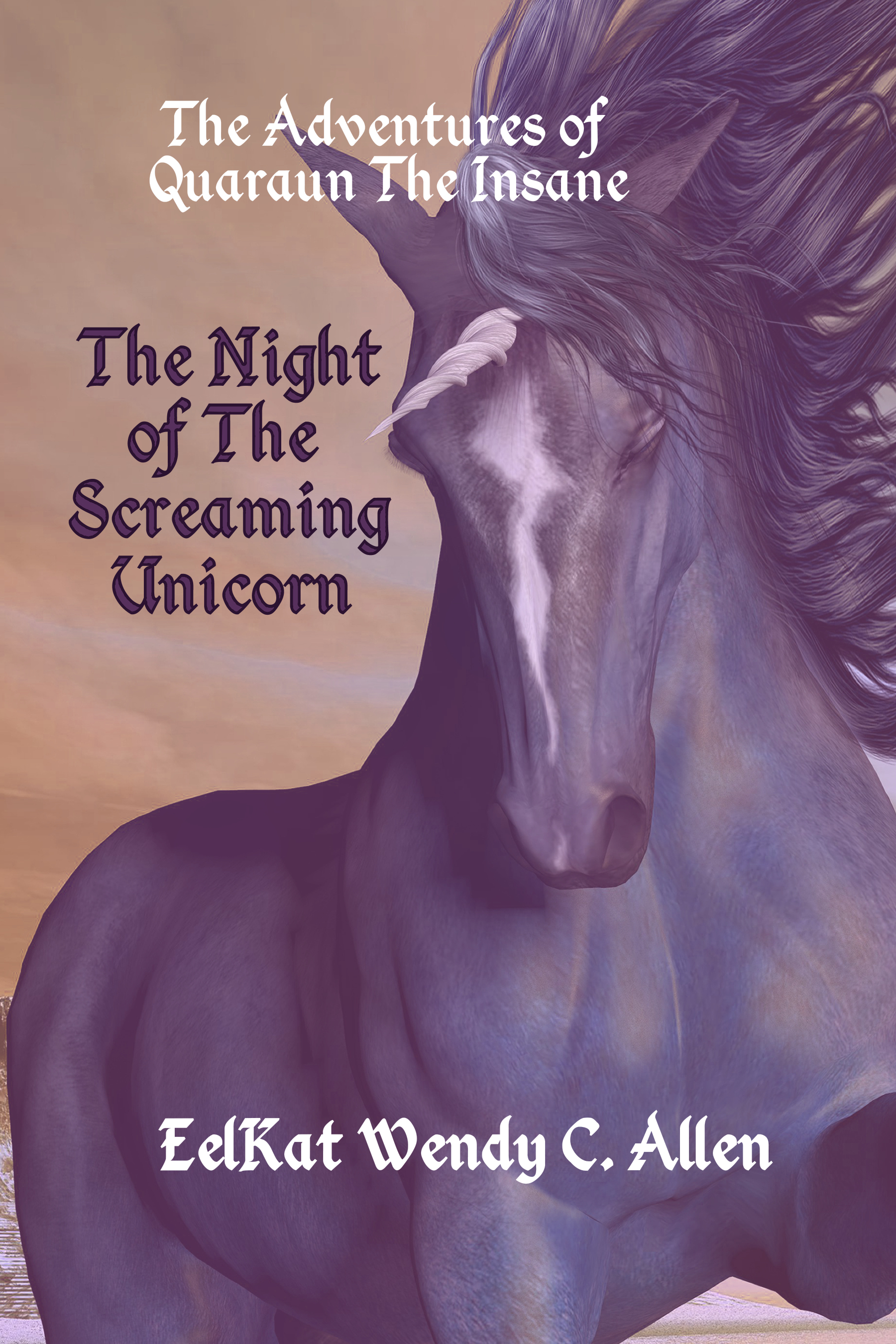
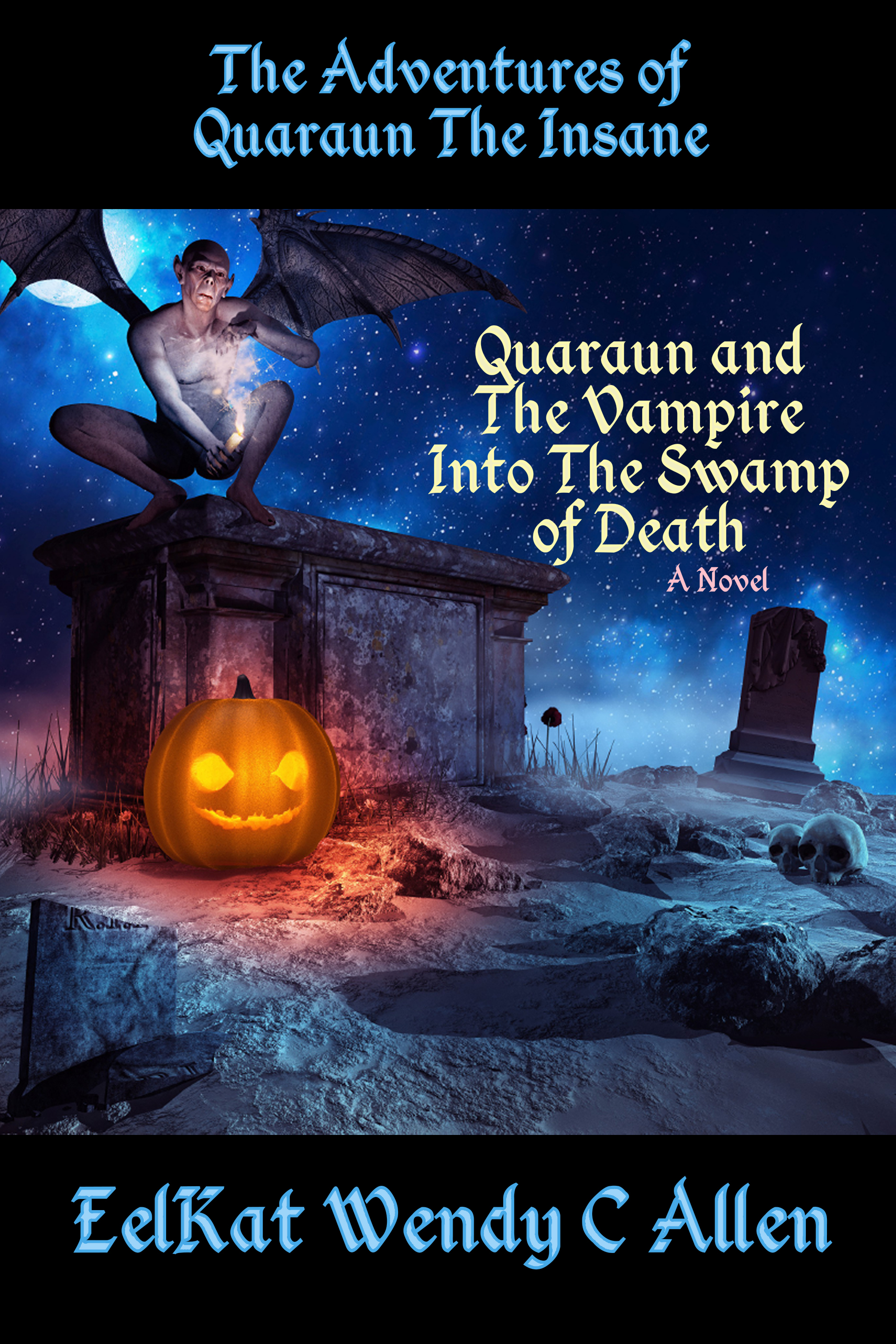
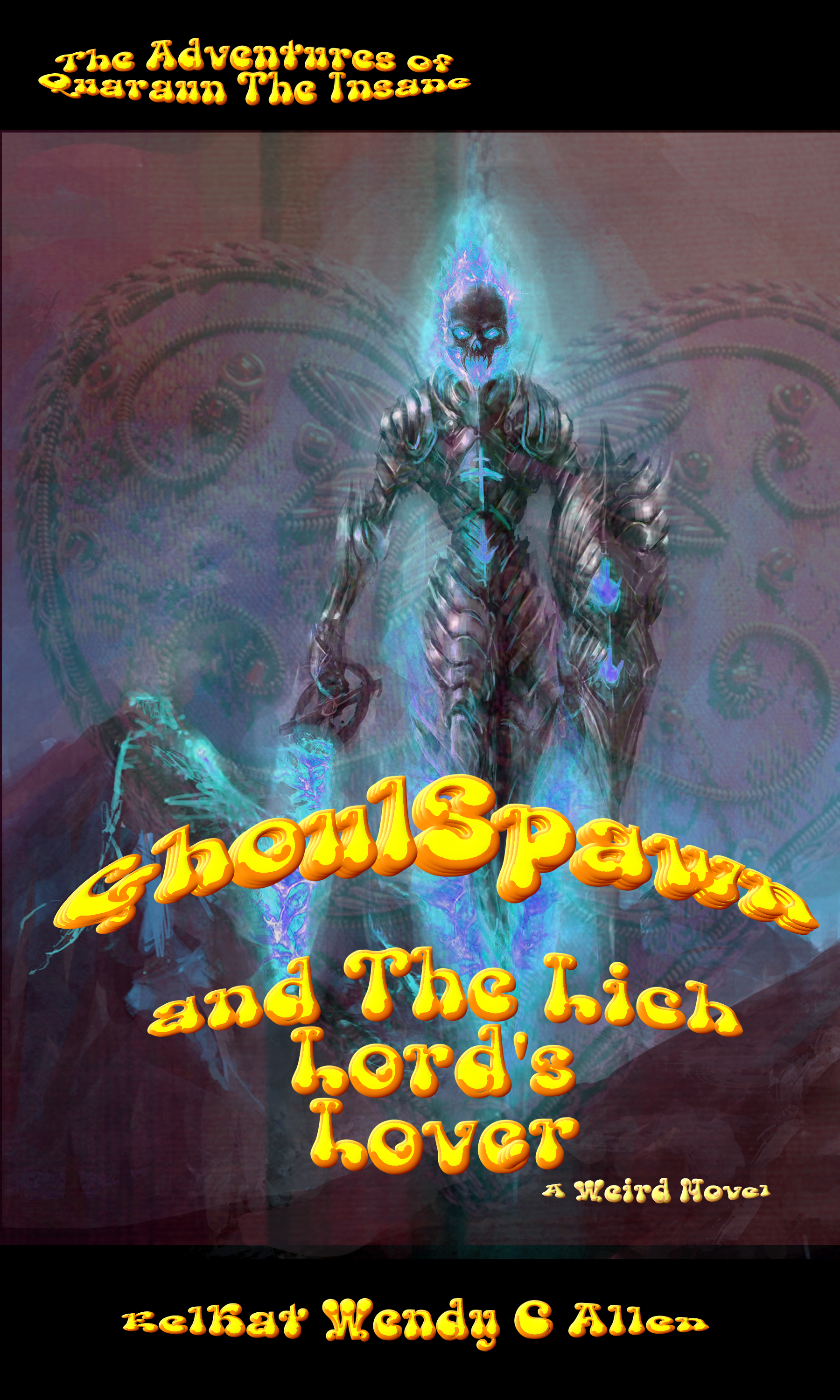
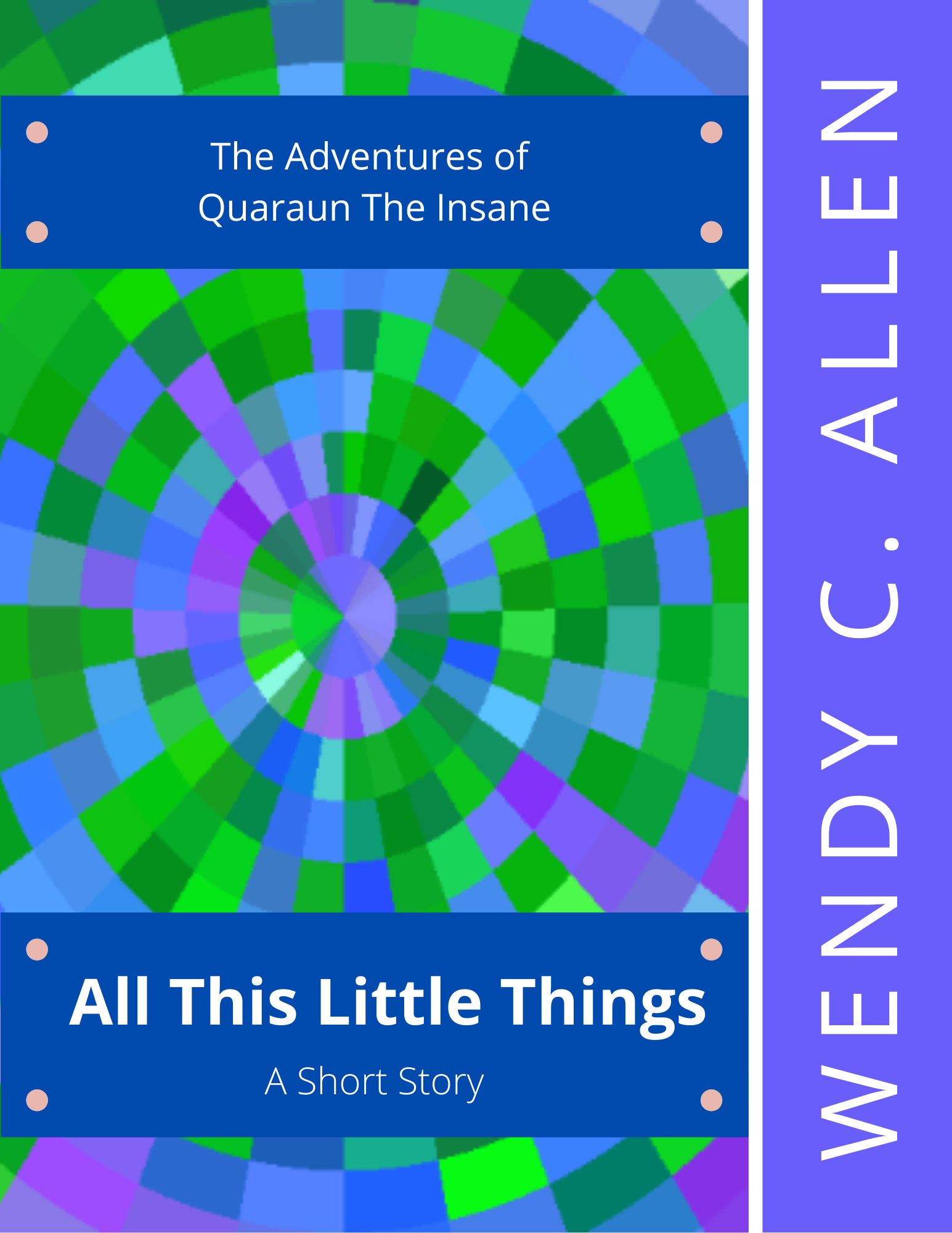
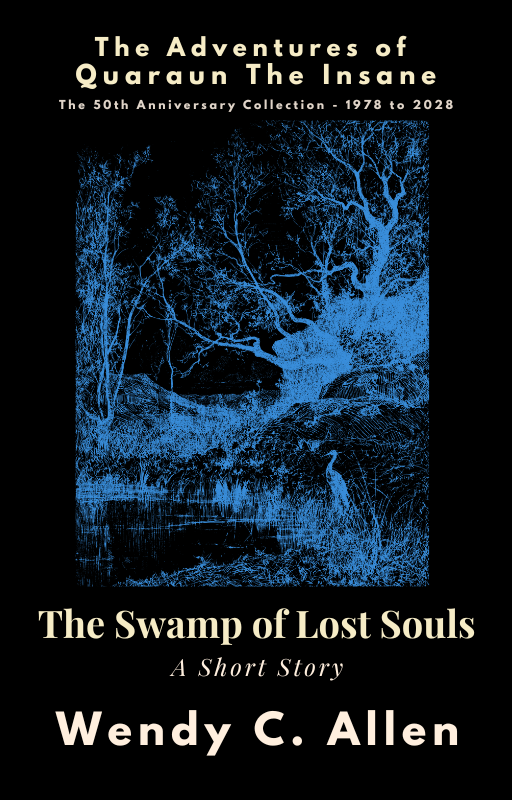
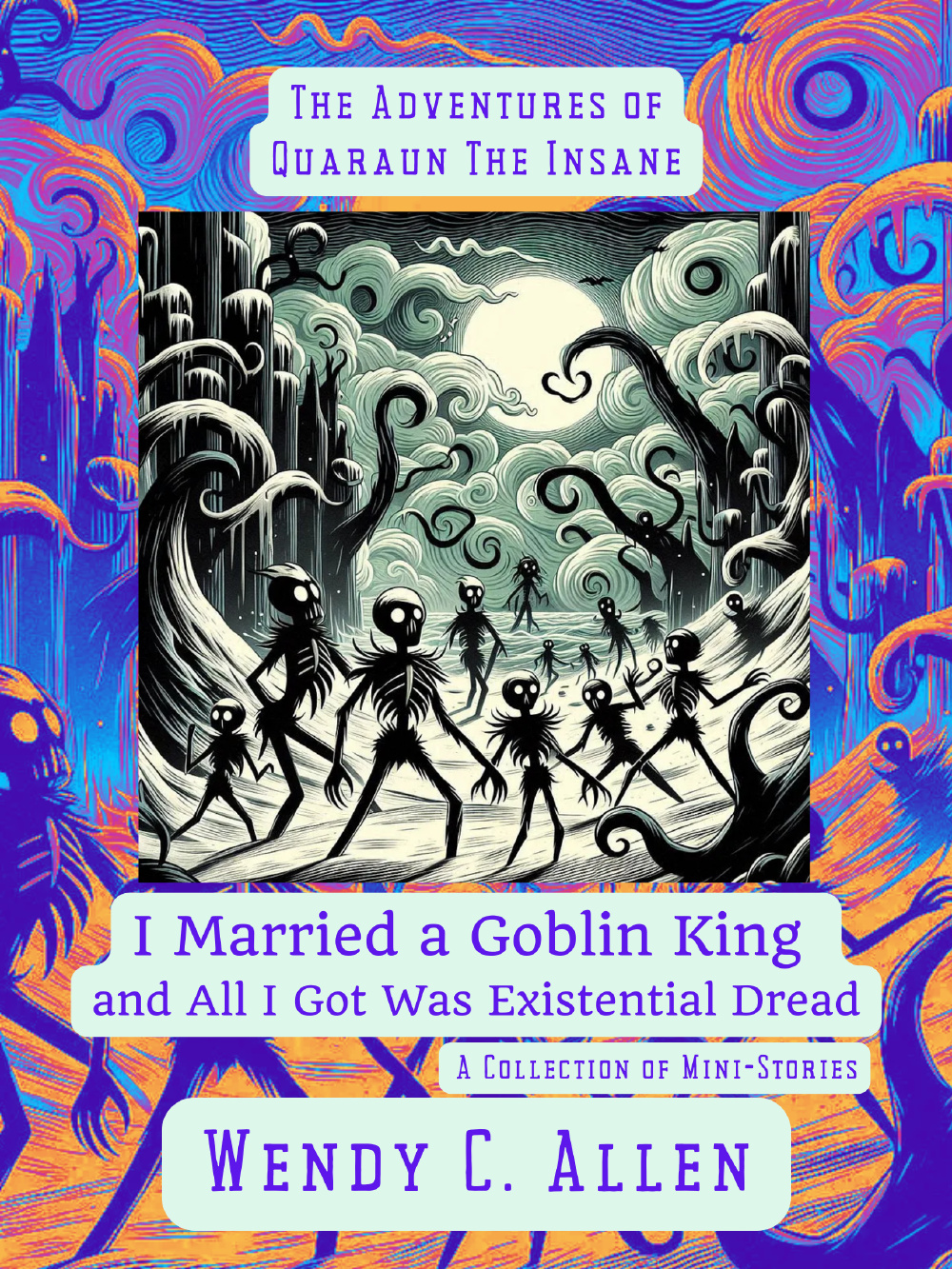
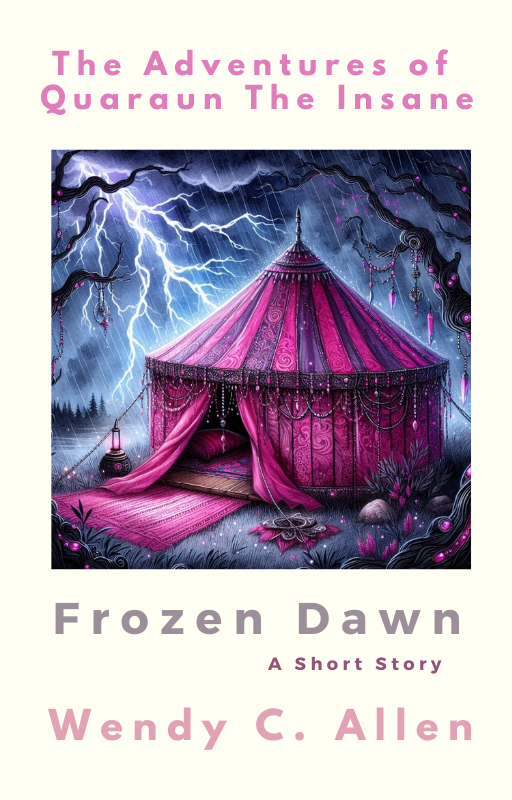
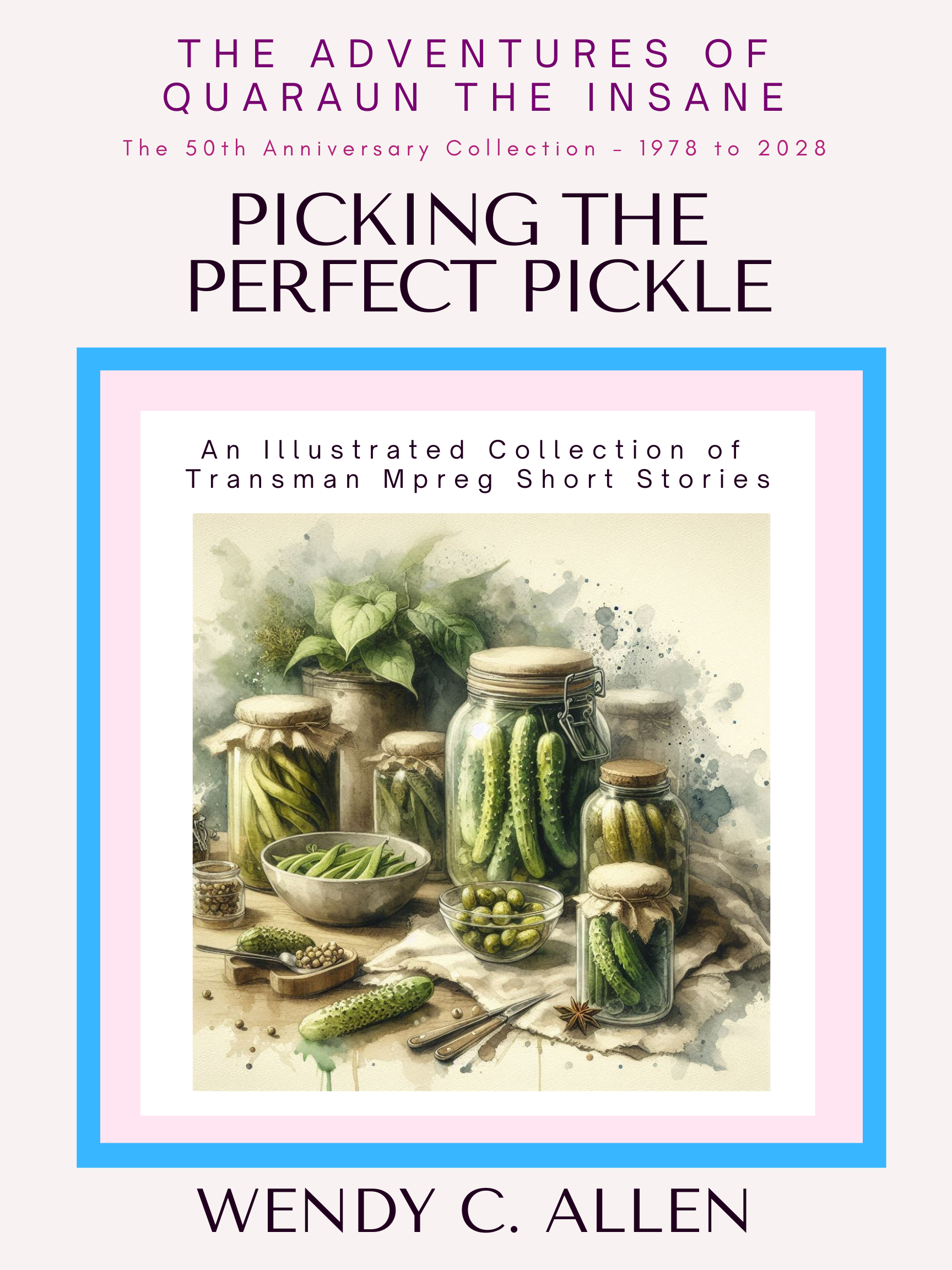
 The Park Bench Method of Writing The Adventures of Quaraun The Insane: Paperpacks & Hardcover Editions on Amazon:
Not sure what the series is about? Check out and Faeries vs Elves (In The Quaraun Series) A Pink Necromancer World Lore Post and Worldbuilding MoonQuakes and Disabled Characters for Fantasy Writers and How well do I know Quaraun? - Let's find out! to find out more about the plot and lore of the series. Not sure which story to start with? These here are good places to start, to get a good introduction to the three main characters:
Or if after reading those, you still are looking for more free to read stories, there are over three thousand of them on this site, too many to list here, but here a few dozen to get you started... ...you can just jump in and try reading some of the free to read online stories first before committing to buying the books:
Hmmm... soooo... I was making the above list to ALL the links to EVERY Quaraun story published on my website here, and adding it into the footer of my site, here as you can see, which loads on every page, and then I realized... wait... there are over two thousand Pink Necromancer stories up free to read on my website, I can't put two thousand links on every single page! Whoops! LOL! So, now I'm putting list to ALL the links to EVERY Quaraun story published on my website here on this page instead and just link that page to the footer instead. But also I'll just leave some of the links in the footer, as you can see above.


|





















This page was written by Wendy Christine Allen of 146 Portland Ave, Old Orchard Beach, Maine.
All Rights Reserved.

The Space Dock 13 WebRing
|
|
|
|
|
|
|
|
|
|
|
|
Yes, this website (founded in 1996) is old enough to have WebRings on it, and they are still in use.
Don't know what a WebRing is?
They were how we webmasters used to get traffic to our websites before the invention of search engines (aka before Jeeves, DogPile, Yahoo. Google, Bing, or the rest existed). In their simplest form a WebRing is an html code that rotates link displays. In their more advanced form they are java scripts that give random results. Each ring had three active links titled "Previous", "Random", and "Next", clicking any of the 3 links would take you to the next website in the ring.
Web Rings are the REASON the internet was called "the world wide web". To use them, each webmaster submitted their site to the ring, a single code held 100 websites, and codes could be stacked to hold 100 code sets (or 10,000 links to 10,000 websites), each web master in the list, would then place the code in the footer of their website.
This created the SPIDER WEB that was the literal WEB OF LINKS that gave the internet it's name "World Wide Web" and is WHY websites are CALLED "web sites". And technically, your site is not a WEB site unless it is connected to a WEBRing, likewise you technically are not a WEBMaster if you do not build WEBrings links for you WEBsite to connect to the WEB.
Unfortunately, most knowledge of WebRings, and whi sites were called WEBsites and sites on the WEB were called the World Wide Web, vanished from the internet in 2014 when the official WebRing.org company who managed 90%+ of the internet's WebRings went out of business after the infamous Google Panda 2013 bot attack that delisted ALL websites from the Google Index if they contained a WebRing of links to other websites in it's footer.
And while most sites abandoned the use of WebRing Codes on their sites, Space Dock 13 did not. The Space Dock 13 WebRing remains active, now 28 years after it's creation. Over the decades however, one by one all the other websites in the ring have gone off line, and as they did, I replaced the url with a link to a page of my own website (as this is a java code - it updated on every website without the others needing to change anything). Today in 2026, eelkat.com is the last remaining website in the ring, and now all 10k links go only to pages on eelkat.com, no longer sending you to other websites.
|
|
|
|
|
|
|
|
|
|
|
|
The Park Bench Method of Writing
IMPORTANT NOTE:
There are no ebook editions as they are already available digitally here on my website.
Want even more writing prompts?
Do you have information about my son's murder and need the FBI contact information:
If you have any information about my son’s murderer, please call FBI Agent Andy Drewer at 207–774–9322
If anyone contacts you saying 146 Portland Ave, Old Orchard Beach, is for sale, know that they are lying to you... it is my land, and it has been in my family since 1531... and the ONLY person whom has EVER gone around saying it is for sale, is a woman who the FBI believes to be the same woman who murdered my son.
My son is buried here, and the FBI believes she is trying to buy my land in order to destroy his grave and destroy evidence of his murder.
Since my son's murder November 14, 2013, every year dozens of real estate agent show up all with a story of a female developer who is offering them MILLIONS of dollars for my lot of land that is only 1/4 of an acre and is not big enough to develop.
When shown police sketches of my son's murderer, the real estate agents say "Yes, that's the woman who hired me to buy 146 Portland Ave, Old Orchard Beach, Maine", but then the woman disappears and the real estate agents never hear from her again... all contact information she gave them turns out to be fake.
The woman who murdered my son, is DESPERATELY trying to buy 146 Portland Ave, Old Orchard Beach, Maine... this is the woman to watch out for... and this is what she did:
Looking to find out more about my son's murder, that information is on these pages:
Answering the questions:
Can you give me links to the news reports of your son's murder?
and
Why can't I find any news reports about this?
Maine has well over a thousand murder cases that have never been in the news.
I found this out after my son was murdered November 2013, and a year later I found out it had never been in the news, even though I was hounded for weeks by news people. I went to each of the over a dozen TV stations and newspapers whom had showed up at the hospital and asked why they had never published any report after all the trouble they had gone through to (in some cases illegally) het into the hospital to interview me.
in every case they said some version of "well, it just wasn't news worthy, there was nothing we could use to get views". Really? These were big news stations, channel 13, 6, 8, Portland Press Herald, Bangor Daily...
What exactly was it they claimed was "not news worthy"?
I'll tell you.
On November 14, 2013, my son was murdered. At Southern Maine Community College in the parking lot of The Buglight Art Studio beside the Spring Point Lighthouse.
I was 8 months pregnant, leaving my college classroom, and just getting into my car, when 3 strangers, a man and two women, armed with golf clubs leapt out from behind my car screaming "kill or be killed, kill the transvestite freaks, kill them all before they kill us! look at that thing! That is Ken's son, look at how it's dressed! kill the transvestite freaks! kill or be killed"... while the bald man and the red haired woman chanted this over and over, the blonde woman, lunged with the golf club.
She severed my spine, I am now a quadriplegic, and been paralyzed arms and legs, and in a wheelchair for 13 years now. She broke my hips, my knees, my legs, ruptured most of my discs, and shattered three of my vertebrae so bad that the shards of bone acted like glass and embedded themselves into my spinal column nerve bundle.
The attack also triggered labour.
My son was born in that parking lot, and he lived only a couple of minutes, before the deranged blonde woman, beat his head in and smashed his brains out, with the same golfclub she had just used to sever my spine and leave me crippled for the rest of my life.
Realizing that I was not transgender, and they'd just murdered a baby, the man grabbed the 2 women and forcibly dragged them away to a 4 door white pickup truck, and they left me there to die.
The FBI told me later, that a few weeks before this attack, and transwoman, had murdered a cis woman, in a parking lot, abou 20 miles away from where I was attacked. The FBI, believes that my attackers, had somehow found out I wrote transgender fiction, connecting my real name to my penname, (my father's name is in fact "Ken", and I do have a brother) and believed that I wrote transgender fiction, because I was myself transgender, even though I'm not transgender. The FBI, believes the attackers, thought I was my brother, pretending to be a woman.
The FBI investigation, into my son's murder, has dragged on for 13 years, and still now in 2026, continues on, with the FBI, still not having yet identified my attackers, and only guessing at what their motive was.
Oh yeah, and I've been quadriplegic for 13 years.
oh yeah one more thing, same trio, they also found out where i lived in Old Orchard Beach and drove a backhoe over my house as well.
|
146 Portland Ave Old Orchard Beach, Maine... July 4, 2013 vs August 8, 2013 |
I have been homeless and quadriplegic for 13 years, and right now it's just a few weeks away from both my son's 14th birthday and the 14th anniversary of the day he was murdered, both of which happened the same day.
Explain to me what about any of that is "not newsworthy"?
I did find out WHY it was deemed not newsworthy. "it would negatively impact tourism" was their reason. The College at Fort Prebble is a tourist destination. The lighthouse at the college is a tourist destination. My house on Portland ave is situated on the primary road to the beach that is a tourist destination.
The news reporters explained to me that, they risked losing their jobs if they publicised "negative news" occurring in these sorts of tourist destination spots.
My son's murder wasn't in the news, because it might cause tourists to stop visiting that lighthouse. That was the reason the reporters gave me.
How often are there things not being reported on just so businesses don't lose tourist money?
How often does this happen? A lot, I've since found out. In trying to find other mothers of murdered children to interact with... I found five others JUST in Old Orchard Beach, whom the murders were not in the news, and all of them happened after my son's murder. I found 2 such mothers in Scarbourogh, their children's murders not in the news. I found over a dozen more in the Bar Harbore area, also all not in the news.
It's a very disturbing trend here in Maine, one that I never would have found out about had my own son not been murdered.
One thing's very clear: in Maine you can get away with murdering a child, if you do it in a big tourist location, because news stations REFUSE to report any crime occurring in tourist locations.
Fuck torists.
I don't give a shit about your precious tourist money.
My son was murdered and I want his killer found... and I am VERY displeased with the deplorable way news stations try to bury child murders in Maine, just to appease tourist funded businesses.
And if you're one of those lunatic jackass bullshitting alien abduction UFO freaks, looking for haunted cars, Stephen King, cryptids, or EBEs, first off, you can go fuck yourselves. I am so damned sick of you conspiracy brained motherfuckers harassing my family and turning my son's murder case into a circus of you psycho deranged bullshit. Here's some pages for you:
Copyright © – oldest articles written 1978, website founded - 1996
This website is a safe zone for LGBTQAI+, pagans, and BIOPIC communities.
This website is a safe zone for LGBTQAI+, pagans, polys, trans, neurodivergent, disabled, mobile aid user, minority, cosplayers, otherkin, furries, & BIOPIC communities.